Table of contents
As global temperatures rise and weather patterns become less predictable, the construction industry finds itself at a pivotal crossroads. Exploring how climate change influences construction trends uncovers a fascinating intersection of innovation, sustainability, and urgent adaptation. Discover in the following sections how the built environment is responding to these unprecedented challenges and why understanding these shifts is vital for anyone invested in the future of construction.
Green building practices surge
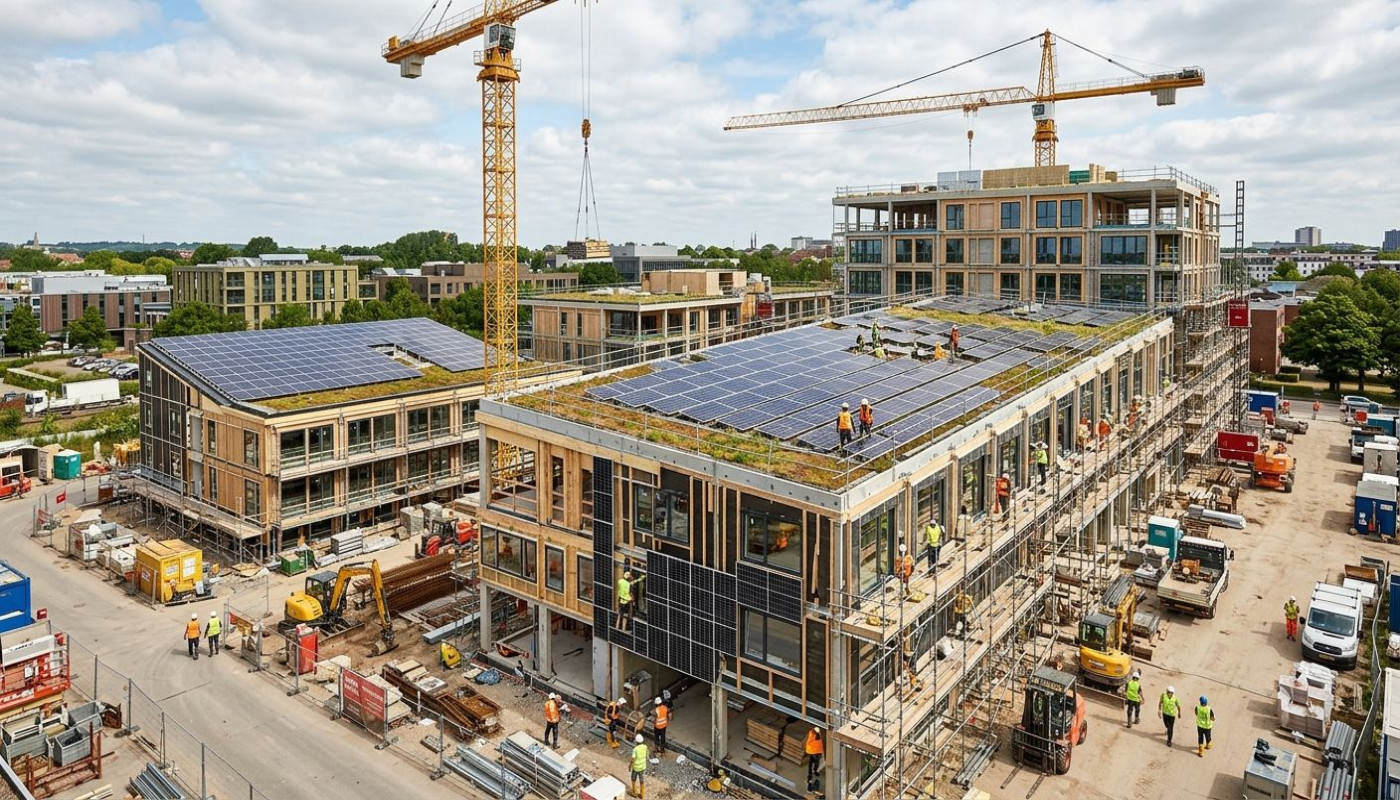
Across the construction industry, green construction is rapidly reshaping project priorities as companies respond to the mounting pressures of climate adaptation. Emphasis on sustainable building has led to the widespread adoption of energy-efficient designs, with advanced insulation, strategic orientation, and smart systems reducing operational costs and carbon footprints. Eco-friendly materials such as recycled steel, low-VOC paints, and responsibly sourced timber are increasingly preferred, directly supporting healthier buildings and resource conservation. Energy efficiency now extends far beyond simple upgrades, incorporating technology like solar panels, geothermal systems, and smart grids into both new and retrofitted structures. Certification programs, including LEED and BREEAM, are being sought as proof of commitment to eco-conscious standards, often influencing project funding and marketability.
To ensure comprehensive climate adaptation, the construction sector is integrating life cycle assessment for every stage of a building’s existence—from production and transportation of materials to operation, maintenance, and eventual deconstruction. This holistic approach enables a precise understanding of a structure’s environmental footprint, guiding decision-making toward low-impact solutions. As green construction becomes an industry benchmark, stakeholders increasingly demand transparency and accountability in sustainable building practices, reinforcing the trend toward eco-friendly materials and robust energy efficiency strategies in all areas of development.
Resilient infrastructure design
As the frequency and intensity of extreme weather events escalate, resilient infrastructure has become a driving force in modern construction. Climate resilience now shapes every phase of urban planning, with resilience engineering principles ensuring that buildings and public spaces can withstand or quickly recover from disruptions like floods, hurricanes, and heatwaves. Strategies for fortifying structural integrity include flood-resistant foundations designed to minimize water ingress and damage, as well as advanced stormwater management systems that control runoff and reduce urban flooding. Disaster-ready buildings incorporate smart materials and modular components, allowing for rapid adaptation and repair. Flexible urban planning integrates green spaces and permeable surfaces, which not only mitigate flood risk but also enhance community well-being. These combined efforts in resilience engineering push the industry toward a future where cities are safer and function reliably, despite the unpredictable impacts of climate change.
Smart technologies integration
The construction industry is undergoing rapid transformation with the integration of advanced digital tools and smart building systems, driven by the pressing demand to address climate change challenges. Technologies such as Building Information Modeling (BIM) have become foundational to digital construction, enabling precise simulation, real-time data sharing, and predictive modeling to optimize every stage of a building's lifecycle. BIM's ability to visualize environmental impacts and coordinate complex projects ensures that structures are designed and managed with energy efficiency and climate resilience in mind.
Smart buildings equipped with a network of sensors and automated systems can monitor environmental variables, assess occupancy patterns, and provide actionable data for climate monitoring. These intelligent solutions allow for the fine-tuning of heating, cooling, lighting, and ventilation based on real-time or predicted weather conditions, significantly reducing resource consumption and operational costs. As building automation grows, data analytics is leveraged to detect inefficiencies, respond to emergencies, and enhance safety for occupants, positioning smart buildings as a proactive response to changing climate conditions.
Construction technology continues to evolve with the adoption of digital platforms that enable predictive maintenance and early detection of climate-related risks, from flooding to extreme heat. The seamless integration of these tools not only supports sustainable construction practices but also ensures compliance with increasingly stringent regulations. To explore practical applications of these advancements and discover innovative solutions in real estate development, you can learn more about smart technology-driven projects and services at learn more.
Material innovation and selection
The construction sector is witnessing a transformative shift due to the growing demand for climate-friendly materials. Sustainable construction increasingly depends on low-carbon materials that limit the release of greenhouse gases throughout their lifecycle. Low-carbon concrete stands at the forefront, reducing the embodied carbon associated with traditional cement production by utilizing alternative binders and supplementary cementitious materials. In parallel, the use of recycled building materials, such as reclaimed steel, glass, and plastics, is gaining traction, making material sourcing less extractive while diverting waste from landfills. Green insulation options, like cellulose, sheep’s wool, and hemp, further contribute to healthier indoor environments and improved energy efficiency without sacrificing performance.
When choosing materials, the concept of embodied carbon has become a determining factor. This term refers to the total greenhouse gas emissions generated to produce, transport, and install building materials, encompassing their entire supply chain. By prioritizing materials with low embodied carbon, construction professionals help reduce a building’s overall environmental impact. The movement toward climate-friendly materials also encourages the industry to invest in innovation, with new product development focusing on both performance and sustainability. Recycled building materials and green insulation are now preferred choices for projects aiming to align with global climate goals, reinforcing the role of responsible material selection in the future of sustainable construction.
Regulatory and policy shifts
Construction regulations are experiencing a significant transformation as governments worldwide respond to climate policy demands by implementing green building codes and stricter emissions targets. Performance-based codes are becoming a central concept within these regulatory frameworks, shifting the focus from prescriptive requirements to achieving measurable sustainability outcomes. This approach allows for greater innovation in materials and methods while ensuring that structures meet sustainable standards for energy efficiency, resource use, and carbon reduction. The adoption of green building codes is no longer optional; rather, compliance is now driven by legal mandates that prioritize resilience and low-carbon construction practices. Incentives for sustainable construction, such as tax benefits and expedited permitting, are encouraging industry stakeholders to embrace these evolving standards, ensuring that projects align with national and international emissions targets.
Climate policy is also introducing new accountability measures, requiring ongoing reporting and transparency regarding building performance and environmental impact. These changes compel developers, architects, and contractors to stay informed about the latest technical requirements and adapt their practices accordingly. As a result, sustainable standards are influencing every stage of the building lifecycle, from design and material selection to construction and operation. The integration of performance-based codes within construction regulations reflects a broader commitment to future-proofing infrastructure, reducing environmental footprints, and promoting responsible urban growth in response to global climate challenges.
On the same subject

How Technology Is Shaping The New Wave Of Gaming Economies?

How AI Is Revolutionizing Visual Content Creation

Cybersecurity and Data Protection in Online Sports Betting

Exploring the Deep: How Sonar Transforms Underwater Exploration

What are the different types of ddos attacks ?

HDMI cable: how to choose?
